 Pin It
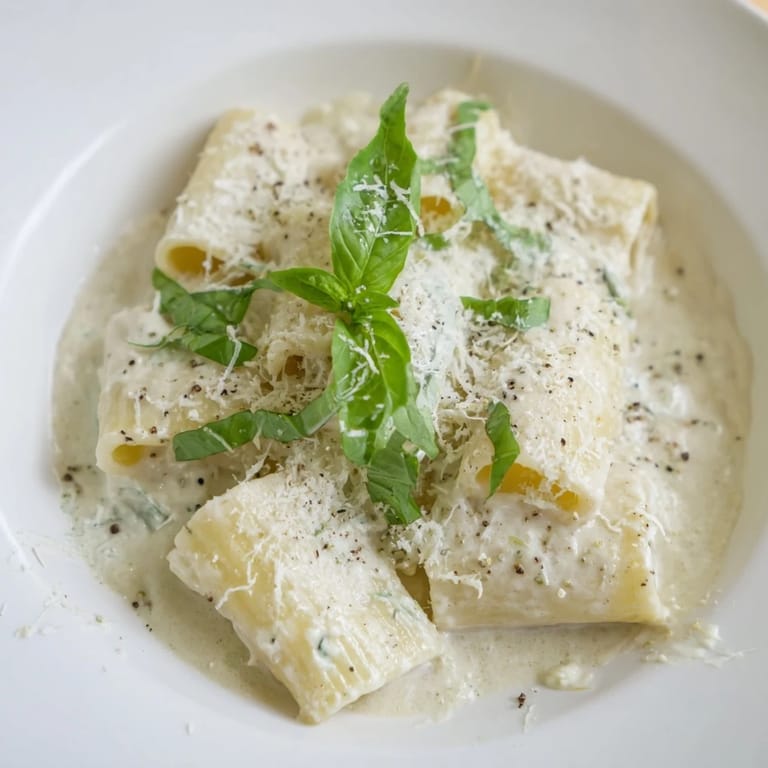
 I discovered this creamy cottage cheese pasta completely by accident when I was scrolling through my phone at midnight, half-asleep, and a video popped up showing someone blending cottage cheese into the silkiest sauce. My first thought was skepticism, but something about it stuck with me. The next evening, I had leftover cottage cheese in the fridge and a box of penne, so I figured why not test it out. The moment that blended mixture hit the warm pan, the kitchen filled with this rich, buttery aroma that made me pause. Twenty minutes later, I had a bowl of something that tasted like it came from a cozy Italian kitchen, not my apartment on a random Tuesday.
My friend Marcus came over for dinner last week complaining that he was tired of the same old proteins, and I decided to surprise him with this. When he twirled the first forkful onto his plate and tasted it, his eyebrows shot up. He asked if I'd made a béchamel from scratch, and when I told him it was blended cottage cheese, he actually laughed and said it was the most beautiful deception a bowl of pasta had ever pulled on him. We ended up making a second batch that night because one bowl clearly wasn't enough.
Ingredients
- Pasta (180 g): Penne or rigatoni work best because the ridges catch and hold the sauce beautifully, but spaghetti creates a more delicate presentation if that's your mood.
- Cottage cheese (200 g): The foundation of everything—this is where the magic lives, so don't skip it or try to substitute it early on.
- Parmesan cheese (30 g, freshly grated): Pre-grated Parmesan works, but freshly grated melts into the sauce more smoothly and tastes noticeably brighter.
- Milk (2 tbsp): Helps the blender do its job; use whatever you have on hand, even oat milk works in a pinch.
- Garlic (1 clove, minced): Raw garlic stays sharp and awakens every bite, so don't be tempted to roast it unless you want something softer.
- Extra virgin olive oil (1 tbsp): This contributes richness and a whisper of fruitiness; it's worth using good oil here.
- Black pepper and salt: Season to your taste as you go, because cottage cheese can be mild and needs encouragement.
- Italian herbs (½ tsp, optional): Dried oregano and basil add an earthy warmth, but they're truly optional if you prefer the cheese to shine.
- Fresh basil, extra Parmesan, and red pepper flakes for serving: These are the final flourish that make the dish feel intentional and finished.
Tired of Takeout? 🥡
Get 10 meals you can make faster than delivery arrives. Seriously.
One email. No spam. Unsubscribe anytime.
Instructions
- Get the water boiling:
- Fill a large pot with salted water—it should taste like the sea—and bring it to a rolling boil. This is your foundation, and salty water means the pasta seasons itself as it cooks.
- Cook the pasta to al dente:
- Add the pasta and cook according to package directions, but taste it a minute before the time suggests; you want it tender but with a slight bite when you bite into it. Before you drain it, scoop out about half a cup of that starchy cooking water and set it aside because you're going to need it later to make the sauce flow like silk.
- Blend the sauce:
- While the pasta finishes, add the cottage cheese, Parmesan, milk, minced garlic, olive oil, black pepper, salt, and Italian herbs to your blender or food processor. Pulse it a few times, then blend until it's completely smooth—this takes about 30 to 60 seconds of continuous blending, and you'll notice the texture shift from grainy to creamy almost before you realize it's happening.
- Warm the sauce gently:
- Pour the blended sauce into a large skillet set over low heat and stir it slowly with a wooden spoon, watching as it heats through. You're not trying to cook it hard; you just want it warm enough to coat pasta, usually about 2 to 3 minutes of gentle stirring.
- Combine pasta and sauce:
- Add the drained pasta to the skillet and toss everything together, using tongs or two forks to coat every strand or piece evenly. If it looks too thick, splash in some of that reserved pasta water a little at a time until the sauce clings to the pasta like it was meant to.
- Serve immediately:
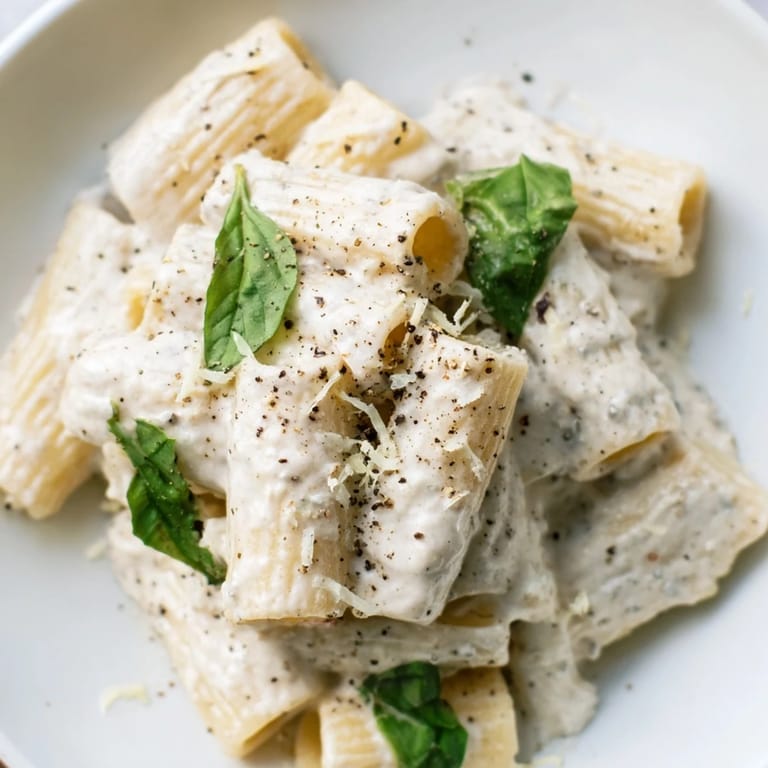
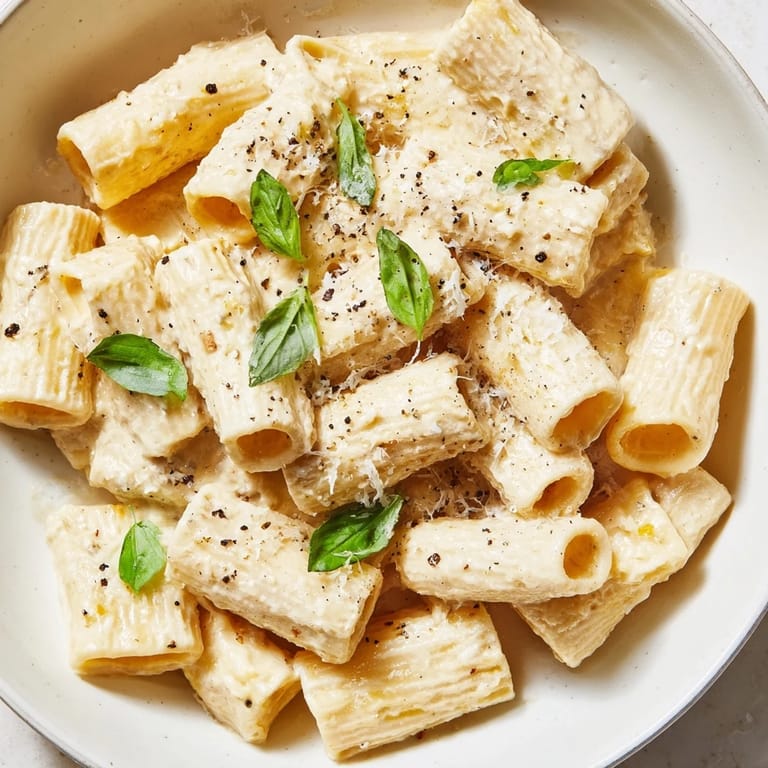
- Divide the pasta between bowls while it's still warm, then scatter torn basil leaves across the top, a shower of extra Parmesan, and red pepper flakes if that's your style. The warmth of the pasta will cause the basil to release its aroma right into your bowl.
 Pin It
Last Sunday, my neighbor smelled this cooking through our shared wall and knocked on my door asking what I was making. When I invited her in and gave her a taste, she got very quiet for a moment, then asked if I'd finally learned to make a proper cream sauce. There's something oddly satisfying about a dish that tastes fancy but only takes 25 minutes and uses ingredients that most people already have hiding in their fridge.
Why This Sauce Changed My Weeknight Cooking
For years I assumed that good cream sauces required heavy cream, butter, and a whole ritual of reduction and whisking. The moment I blended cottage cheese and discovered it could transform into something luxurious, my entire approach to quick weeknight dinners shifted. The protein content is almost accidental—you're not eating a health food, you're eating something indulgent that happens to have substance. This sauce has made its way into my regular rotation not because it's trendy, but because it genuinely tastes better than shortcuts I used to take.
Making This Your Own
The beauty of this dish is that it's a canvas waiting for whatever you have on hand. I've made it with sautéed mushrooms when I had a pile of them threatening to go bad, and the earthy flavor melded into the sauce like it was always meant to be there. Crispy bacon bits scattered on top add a textural surprise that your mouth will thank you for. Even though it's technically vegetarian, adding rotisserie chicken or shrimp takes it somewhere else entirely, and the creamy sauce welcomes both without complaint.
- Stir in cooked chicken, sautéed mushrooms, or crispy bacon pieces while the sauce is warming.
- Try swapping ricotta for cottage cheese if you want something slightly milder and a touch less tangy.
- Whole wheat or high-protein pasta adds nutrition without changing how the sauce clings to it.
Serving and Pairing
This pasta sings alongside a crisp green salad—something with a sharp vinaigrette cuts through the richness and makes room for more bites. I'm a fan of pouring a glass of Pinot Grigio alongside it because the acidity in the wine and the creaminess of the pasta create this quiet, perfect balance. Even a simple side of roasted vegetables or crusty bread for soaking up every last bit of sauce turns this quick dinner into something that feels intentional and complete.
 Pin It
 This dish reminds me why I cook in the first place: not to impress anyone, but to turn simple things into moments worth savoring. Every time I make it, I'm surprised all over again that cottage cheese—something I'd eaten my entire life without much fanfare—could become the foundation of something this good.
Recipe Questions & Answers
- → What type of pasta works best for this dish?
Short shapes like penne or rigatoni hold the creamy sauce well, but spaghetti or similar long pasta also work nicely.
- → Can I substitute cottage cheese with another dairy product?
Ricotta cheese makes a milder alternative, maintaining the creamy texture while slightly changing the flavor profile.
- → How do I achieve a silky smooth sauce texture?
Blending cottage cheese with Parmesan, milk, garlic, and olive oil until perfectly smooth ensures a luscious sauce. Adding reserved pasta water helps reach the ideal consistency.
- → Is this dish suitable for high-protein diets?
Yes, the combination of cottage cheese and Parmesan delivers a rich protein content, suitable for those focusing on balanced nutrition.
- → What garnishes complement this pasta best?
Torn fresh basil leaves and extra grated Parmesan add freshness and richness, while crushed red pepper flakes offer a subtle heat option.