 Pin It
 There's something almost magical about the moment when melted cheese transforms a simple white sauce into liquid gold. I discovered my signature mac and cheese technique by accident one winter evening, standing in my kitchen with a whisk in hand and the realization that everything I thought I knew about the dish was about to change. The secret wasn't some fancy ingredient or restaurant trick—it was patience, good butter, and understanding that three cheeses each bring their own voice to the conversation. That night, I made it for friends who showed up unexpectedly, and watching their faces light up after that first forkful made me understand why this humble dish has been beloved for generations.
I'll never forget making this for my neighbor who had just moved in with nothing but a camping stove and a dream. We crowded into my tiny kitchen, and as the béchamel thickened, she kept asking questions about the technique like she was learning a secret language. By the time we sprinkled that panko topping and slid it into the oven, she was already planning to master it herself. Something about sharing food in someone else's moment of transition made this recipe feel less like dinner and more like connection.
Ingredients
- Elbow macaroni (350 g): The shape matters more than people think—those little tubes trap the sauce and create pockets of creaminess in every bite, so don't swap for another pasta shape without reason.
- Unsalted butter (3 tbsp for sauce, plus 2 tbsp for topping): Use real butter here because it's the foundation of your roux and the topping's golden crunch; salted butter throws off the seasoning balance.
- All-purpose flour (3 tbsp): This thickens your sauce without graininess, but it only works if you cook it gently with the butter first to remove any raw flour taste.
- Whole milk and heavy cream (2 cups and 1 cup): Warming the milk before whisking prevents lumps, and the cream ratio gives you that silky texture that makes people ask for your secret.
- Sharp cheddar cheese (200 g): Don't use pre-shredded if you can help it; the anti-caking agents prevent smooth melting, and sharp cheddar's flavor is what makes this dish memorable.
- Gruyère or Swiss cheese (75 g): This adds nuttiness and helps the sauce stay creamy instead of breaking or getting grainy during cooking.
- Parmesan cheese (50 g, plus 2 tbsp for topping): Finely grate it fresh, as it brings a sharp, salty note that balances all the richness.
- Dijon mustard (1 tsp): A small amount amplifies cheese flavor without making the dish taste like mustard, so don't skip it.
- Garlic powder, onion powder, salt, pepper, and cayenne: These seasonings wake up the palate and keep the mac and cheese from tasting one-dimensional or boring.
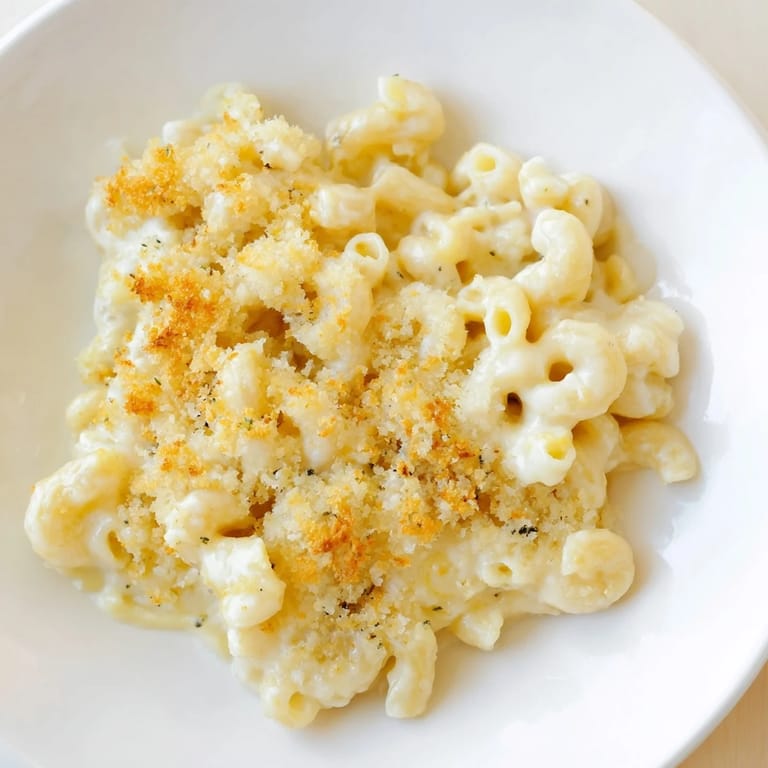
- Panko breadcrumbs (½ cup) with melted butter: This topping crisps up beautifully in the oven and adds textural contrast that makes every bite more interesting.
Tired of Takeout? 🥡
Get 10 meals you can make faster than delivery arrives. Seriously.
One email. No spam. Unsubscribe anytime.
Instructions
- Set up and cook the pasta:
- Preheat your oven to 200°C (400°F) if you're baking, and grease your baking dish so nothing sticks. Cook your macaroni one to two minutes under the package time so it stays slightly firmer—it will soften more when you fold it into the hot sauce and especially if you bake it afterward.
- Build your roux foundation:
- Melt your butter over medium heat, then whisk in flour and let it cook for a minute or two until it smells a little toasted but still looks pale golden. This step cooks out the raw flour taste and ensures your sauce thickens smoothly without lumps.
- Create the béchamel:
- Slowly pour in your warm milk and cream while whisking constantly to keep everything silky and lump-free. Once it's combined, let it simmer for four to five minutes, stirring often, until it coats the back of a spoon—you're aiming for something thicker than heavy cream but not yet as thick as pudding.
- Season and add cheese:
- Drop the heat to low and stir in your Dijon mustard, garlic, onion powder, salt, pepper, and cayenne. Add your cheeses in batches, stirring after each addition until they melt completely—this prevents clumping and ensures every part of the sauce tastes like velvety cheese heaven.
- Combine and choose your path:
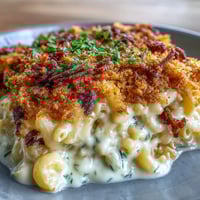
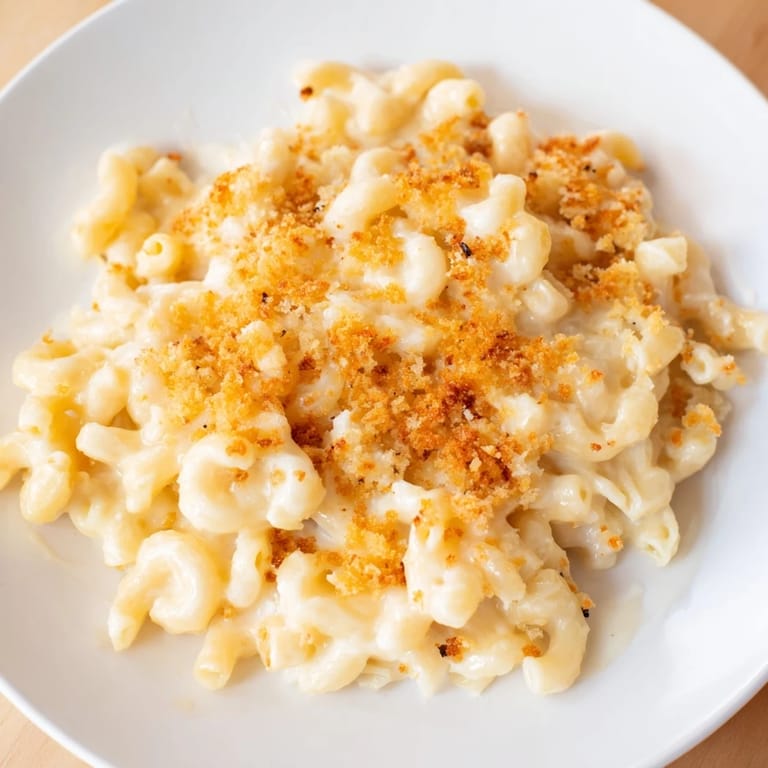
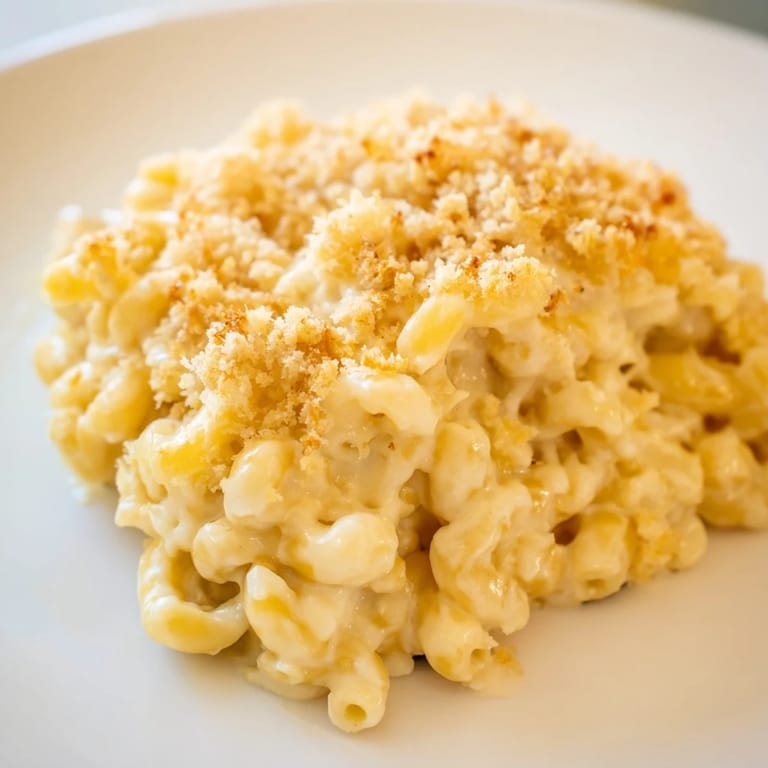
- Fold the drained pasta into the cheese sauce until every piece is coated. For stovetop mac and cheese, serve immediately and hot; for baked, transfer to your prepared dish, top with buttered panko and Parmesan, then bake at 200°C for 20 to 25 minutes until the top turns golden brown and the edges bubble gently.
 Pin It
There was a moment during my last dinner party when someone cut into their portion and the steam rose up, and you could see the shine of butter and cream catching the candlelight. That's when I realized mac and cheese isn't really about nutrition or complexity—it's about creating a moment where everyone at the table feels like they're being cared for. Food doesn't get simpler than this, and somehow that's exactly what makes it profound.
Stovetop vs. Baked: Which Method Suits You?
The stovetop version is pure comfort—creamy, rich, and ready to eat in under thirty-five minutes. The baked version takes another twenty or so minutes but rewards you with that crispy panko crust that shatters against the creamy interior, adding textural contrast that makes each bite feel intentional. Think stovetop on busy weeknights when you just want something warming and immediate, and baked when you have time to impress or when you want something you can keep warm in a low oven while other dishes finish cooking.
How to Make It Your Own
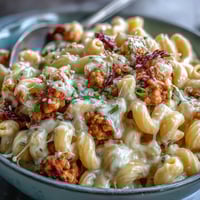
The beauty of this recipe is that the cheese sauce is stable enough to welcome additions without falling apart. Sautéed mushrooms add earthiness, crispy bacon brings smokiness, blanched broccoli adds brightness and nutrition, and fresh thyme sprinkled on top adds a subtle herb note that makes people wonder what you did differently. The key is adding textured mix-ins sparingly so they don't overpower the cheese or make the dish feel confused about what it's trying to be.
Make-Ahead and Storage Wisdom
This dish holds beautifully in the refrigerator for three days if you stop before baking, then bake it fresh when you need it—which is a game-changer for meal planning. You can also assemble everything in your baking dish, cover it, refrigerate it overnight, and bake from cold (just add five to ten extra minutes to the baking time). Reheating is gentlest in a low oven with a foil cover rather than the microwave, which can make the sauce separate or become grainy.
- Freeze the unbaked casserole for up to three months if you want weeknight backup plans.
- Never add the panko topping until you're ready to bake, or it gets soggy sitting in the fridge.
- If you've already baked it and want to reheat, a gentle oven at 160°C with a little splashed milk on top keeps it creamy instead of dry.
 Pin It
 This mac and cheese has taught me that the best dishes aren't the ones with the most ingredients or the fanciest techniques—they're the ones that make people feel safe and cared for. Every time you make this, you're honoring that simple truth.
Recipe Questions & Answers
- → What type of pasta works best?
Elbow macaroni is ideal as its shape holds sauce well, but small tube pasta can also be used.
- → How can I make it creamier?
Using a mix of whole milk and heavy cream in the béchamel adds richness and smooth texture.
- → Can I bake it or serve directly?
Both options work well; baking adds a golden, crunchy topping, while stovetop keeps it luxuriously creamy.
- → What cheeses enhance the flavor?
A sharp cheddar base combined with nutty Gruyère and Parmesan creates a balanced, flavorful sauce.
- → How to add extra flavor variations?
Incorporate cooked bacon, sautéed mushrooms, or blanched broccoli for added texture and depth.