 Pin It
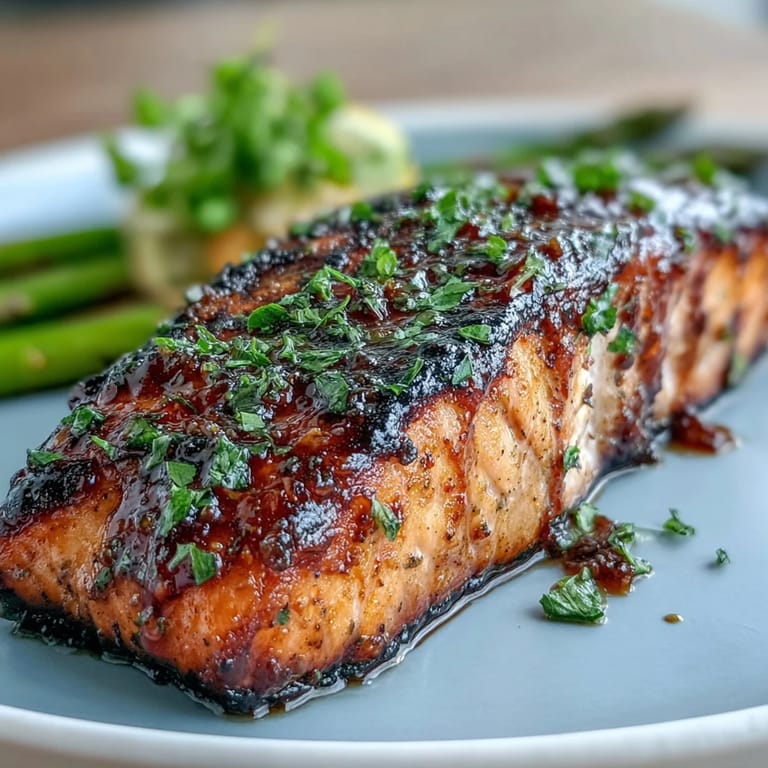
 There's something about watching salmon skin transform from soft and pale to crackling bronze that makes you feel like you've actually accomplished something in the kitchen. My roommate once asked why I kept trying to nail this dish, and honestly, it wasn't until that perfect evening when the skin shattered under my fork that I understood the appeal. It's not fancy—just salmon, asparagus, and lemon—but when each element lands exactly right, you realize why this meal keeps showing up on my weekly rotation. Twenty-five minutes from start to finish means I can pull this together on a Tuesday without losing my mind.
I made this for someone who claimed they didn't like salmon, and watching them clean their plate while asking for the recipe was oddly satisfying. The lemon-garlic asparagus was the secret weapon that evening—something about that bright acidity cut through any fishiness and made the whole thing feel lighter than it actually was. That's when I stopped viewing this as just another protein-and-vegetable plate and started seeing it as the kind of meal you'd proudly serve when you actually want people to think you know what you're doing.
Ingredients
- Salmon fillets (2, about 170 g/6 oz each, skin on): Skin-on is non-negotiable here—that's where the magic happens, and you want fillets thick enough not to dry out while you're crisping the skin.
- Sea salt and black pepper: Keep these simple; you're seasoning the fish, not masking it.
- Olive oil (2 tbsp total): Use a mid-range quality oil that can handle medium-high heat without smoking your kitchen out.
- Asparagus (250 g/9 oz, trimmed): Fresh is best, and trimming the woody ends actually matters—snap them where they naturally want to break and you'll hit that sweet spot between tender and crisp.
- Garlic (2 cloves, minced): Fresh, not jarred, because this dish is too clean to hide behind convenience shortcuts.
- Lemon zest and juice (1 lemon): This is your flavor anchor; don't skip it or use bottled juice and expect the same result.
- Lemon wedges and fresh parsley (optional): They seem optional until you see how they brighten the plate and add that final flourish.
Tired of Takeout? 🥡
Get 10 meals you can make faster than delivery arrives. Seriously.
One email. No spam. Unsubscribe anytime.
Instructions
- Start with dry fish:
- Pat those salmon fillets completely dry with paper towels—moisture is the enemy of crispy skin. Season both sides generously with sea salt and black pepper while the pan heats up.
- Get the pan properly hot:
- Use a large non-stick skillet over medium-high heat and wait until the oil shimmers and moves easily across the surface. You'll know it's ready when a tiny piece of asparagus sizzles immediately.
- Skin-side down, gentle pressure:
- Place the salmon skin-side down and press gently with a spatula for the first 30 seconds to help the skin make contact with the pan. Then leave it alone—resist the urge to fidget or flip early.
- Cook until the skin shatters:
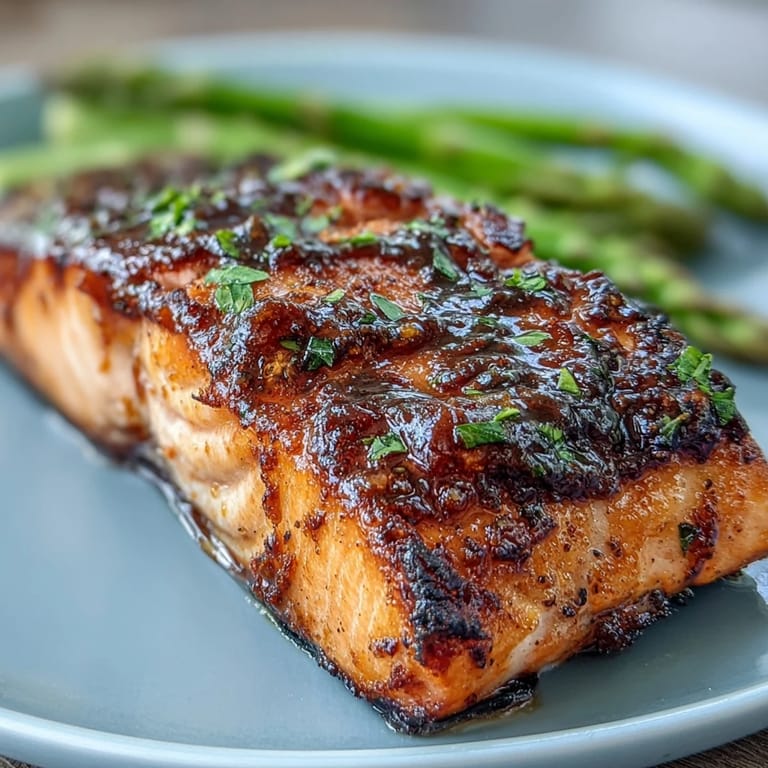
- After 4-5 minutes, you'll see the flesh turn opaque creeping up the sides. The skin should be golden and crispy when you peek underneath with your spatula.
- Quick finish on the other side:
- Flip and cook for 2-3 minutes just until the thickest part is opaque throughout. This is not the time to go full well-done; you want it still tender inside.
- Build the asparagus quickly:
- Add fresh oil to the same skillet and toss in the trimmed asparagus, stirring occasionally for about 2 minutes until it starts to turn bright green. The pan is still warm from the salmon, so things move fast.
- Garlic blooms in seconds:
- Add minced garlic and cook for just 1-2 minutes until fragrant—longer and it burns and tastes bitter instead of sweet. You'll smell when it's right.
- Finish with brightness:
- Add lemon zest, juice, salt, and pepper, then toss everything to coat. One more minute and you're done; the lemon juice heats through and coats the asparagus beautifully.
- Plate while hot:
- Lay the asparagus down first, then crown it with the salmon skin-side up so that crispy exterior stays visible and doesn't steam itself back into submission.
 Pin It
There was an afternoon when a friend dropped by unexpectedly hungry, and this was genuinely the only real food I had in the house. Twenty minutes later, they were sitting at my counter asking if I'd been holding out on them, and suddenly this simple weeknight dish became proof that you don't need complicated ingredients or techniques to impress people. That's the moment it stopped being just a meal and became something I genuinely wanted to make again and again.
The Crispy Skin Secret
Getting salmon skin crispy is about three things working together: a dry surface, genuine heat, and the discipline not to move it around. I used to hover over my skillet like an anxious parent, constantly checking and rotating, which guaranteed soggy results. The breakthrough came when I finally trusted the process and just pressed gently at the start, then walked away. Heat does the work when you let it.
Why Asparagus Over Other Vegetables
You could swap in green beans or broccoli, and the recipe would still work, but asparagus has this tender-yet-sturdy texture that actually stands up to the lemon-garlic treatment without falling apart. It also cooks in the same timeframe as the lemon juice absorbs, so everything finishes at once instead of having vegetables that are either undercooked or water-logged. The shape is elegant too, which might sound silly, but presentation affects how the food actually tastes—it's not just about plating.
Making It Your Own
This dish is clean enough to let simple ingredients shine, but it's also forgiving enough to handle a few personal touches without falling apart. A whisper of red chili flakes adds warmth without heat, and a splash of white wine swirled into the asparagus at the end makes it feel more special if you're cooking for someone. The base recipe is solid, but your kitchen is where it becomes something you actually want to eat.
- Add a pinch of chili flakes to the asparagus for subtle depth and warmth.
- Try swapping the lemon for lime if you want brightness with a different angle.
- Fresh dill or tarragon scattered on top adds herbaceous flavor if parsley feels too plain.
 Pin It
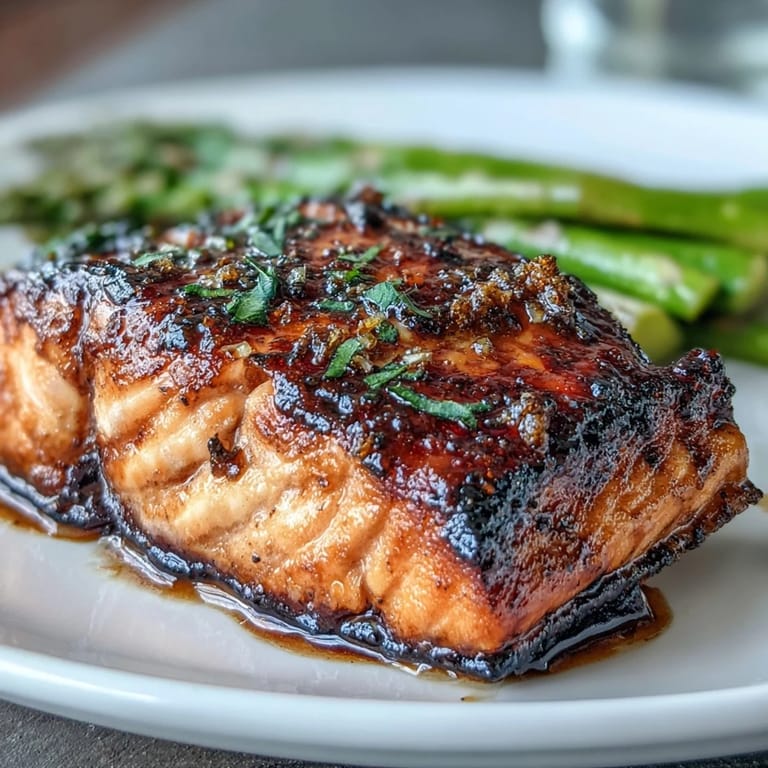
 This meal proves that keto eating doesn't mean sacrificing the kind of food that actually makes you feel good about cooking. Crispy, bright, protein-forward, and on the table in under half an hour—it's the kind of dish that gets made again because it earned the spot in your regular rotation.