 Pin It
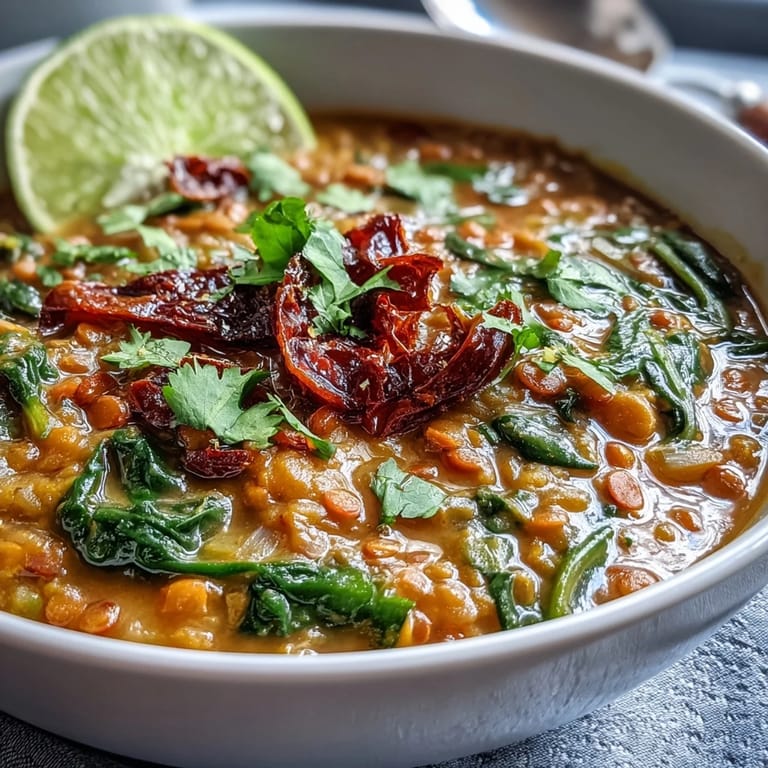
 There's something about the smell of ginger and curry hitting hot oil that stops me mid-thought every single time. I discovered this dahl on a rainy Tuesday when my usual grocery haul left me with red lentils, coconut milk, and a determination to make something feel warm and intentional. What emerged from that one pot was so naturally creamy and bright that I've made it at least twice a month ever since, each time noticing something new about how the spices bloom together.
I served this to my neighbor last winter when she mentioned feeling burned out by her usual rotation of quick meals. Watching her pause mid-spoonful and ask what was in it felt like a small victory, especially when she realized it was vegan and still completely satisfying. She's now requested it specifically, which tells you everything about how comforting and real this dish tastes.
Ingredients
- Red lentils: These break down into a naturally creamy base without needing cream or butter, and they cook faster than other varieties so your pot moves from raw to ready in about half an hour.
- Yellow onion: Diced fine and cooked until translucent, this becomes the sweet foundation that carries all the spices forward without overwhelming them.
- Garlic and ginger: Fresh ginger grated right before cooking releases oils that make your kitchen smell like something special is happening, while garlic adds a savory depth that ties everything together.
- Curry powder, cumin, turmeric, coriander: These spices toasted briefly in the hot oil bloom and release their personality, creating layers of warmth rather than a flat spice flavor.
- Cayenne pepper: Optional but worth considering if you like gentle heat that builds rather than shocks your palate.
- Coconut milk: Use the full-fat version for that luxurious mouthfeel and richness that makes this feel like comfort food, not just healthy food.
- Vegetable broth: This keeps the curry from becoming too thick while adding subtle flavor that supports rather than competes with the spices.
- Fresh spinach: Added at the very end so it stays vibrant and tender, providing nutrition and a fresh vegetal note against the richness.
- Tomato: Diced and simmered with the lentils, it adds brightness and helps break down into a cohesive sauce.
- Lime and cilantro: The lime wedge is your final magic trick, cutting through richness with acidity while cilantro adds a herbaceous freshness that makes people ask for seconds.
Tired of Takeout? 🥡
Get 10 meals you can make faster than delivery arrives. Seriously.
One email. No spam. Unsubscribe anytime.
Instructions
- Heat your oil and soften the onion:
- Warm coconut oil in a large pot over medium heat, then add diced onion and let it cook for about 3 to 4 minutes until the edges turn golden and the pieces collapse into softness. You'll notice the kitchen starts smelling inviting as soon as the onion hits the heat.
- Toast the aromatics briefly:
- Stir in minced garlic and grated ginger, cooking just until fragrant, roughly one minute. Don't let them sit too long or they'll lose their brightness.
- Bloom your spices:
- Add curry powder, cumin, turmeric, coriander, cayenne if using it, salt, and pepper, stirring constantly for about 30 seconds so the spices wake up and release their flavor into the warm oil. This moment transforms everything that comes next.
- Add the lentils and tomato:
- Stir in your rinsed red lentils and diced tomato, coating them in the aromatic oil mixture. They're ready for the liquid that's about to transform them.
- Pour in your liquids and bring to a boil:
- Add coconut milk and vegetable broth, stirring to combine everything, then let it come to a gentle boil. You'll notice the lentils start to soften almost immediately.
- Simmer until creamy:
- Reduce heat to low, cover your pot, and let it bubble gently for 20 to 25 minutes, stirring occasionally, until the lentils have completely softened and broken down into a creamy sauce. The texture goes from distinct lentil pieces to something silky and unified.
- Wilt in the spinach:
- Add fresh baby spinach and stir for about 2 minutes until it darkens and softens into the warm curry. This adds color and nutrition without changing the flavor profile.
- Taste and adjust:
- Take a spoonful, let it cool slightly, and decide if you need more salt, heat, or brightness. Sometimes a pinch more salt or an extra squeeze of lime makes all the difference.
- Serve with confidence:
- Ladle into bowls and offer lime wedges and fresh cilantro at the table so each person can make it their own. The lime especially deserves to be squeezed in just before eating.
 Pin It
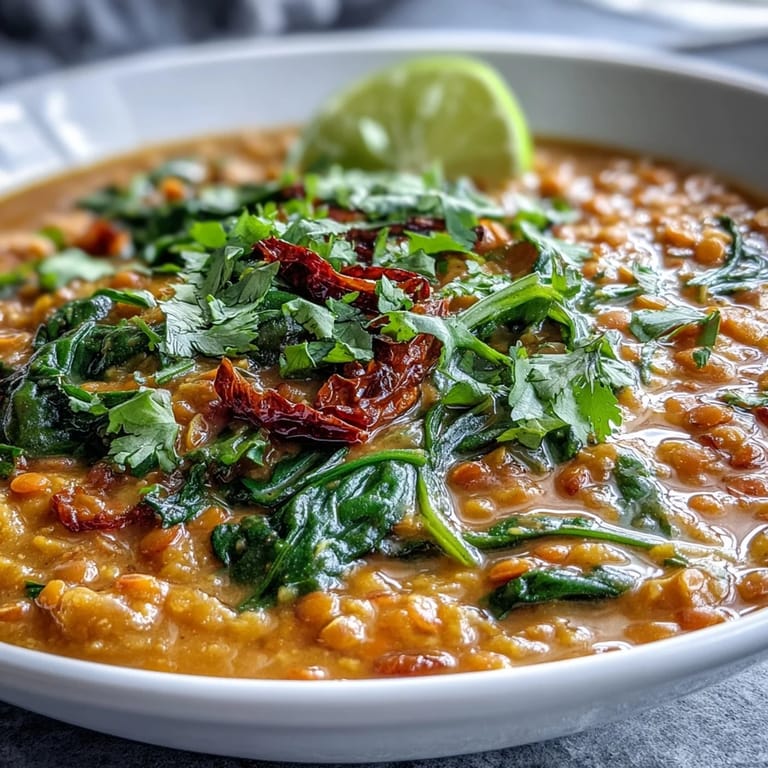
There's a moment near the end of cooking when you lift the lid and the whole pot looks like liquid still, but then you stir and suddenly it's a creamy, cohesive curry that coats the spoon just right. That moment never gets old, even when you've made it dozens of times.
Why This Dish Works for Real Life
This dahl exists in that magical space where it feels indulgent enough for a Friday night dinner but practical enough to make on a Tuesday when you're tired. The one pot means you're not juggling multiple dishes, and the simple ingredients are usually things I already have around, which makes deciding what's for dinner actually easy for once. It also tastes better the next day once the flavors have settled into each other, so making a double batch feels genuinely smart rather than just for convenience.
Building Flavor Layers
The secret to this not tasting one-note is understanding that each spice brings something different to the table. Turmeric adds warmth and earthiness, cumin brings slight nuttiness, coriander contributes floral notes, and curry powder ties everything together with its complex blend. The ginger and garlic keep everything from becoming muddled, while the lime at the end acts like a spotlight that suddenly makes you notice every layer you built. When you taste it without that final lime squeeze, it's good, but with it, suddenly you understand why this dahl became a weekly meal for me.
Customizing Without Losing the Plot
The foundation here is solid enough that you can play with additions without breaking anything. Some nights I add diced carrots or bell peppers with the tomato for more substance and chew, other times I stir in cooked chickpeas if I want extra protein to make a lighter carb portion feel filling. I've even added diced sweet potato once and it worked beautifully, becoming tender in the same 20 minute window as the lentils.
- If you want it chunkier and more vegetable-forward, add diced carrots, bell pepper, or even mushrooms with the tomato so they soften during the simmer.
- Serve with basmati rice to catch every drop of sauce, or tear into warm naan if you want something more indulgent that still fits the flavor profile perfectly.
- Leftover dahl thickens more in the fridge, so when reheating add a splash of broth or water to get back to your preferred consistency.
 Pin It
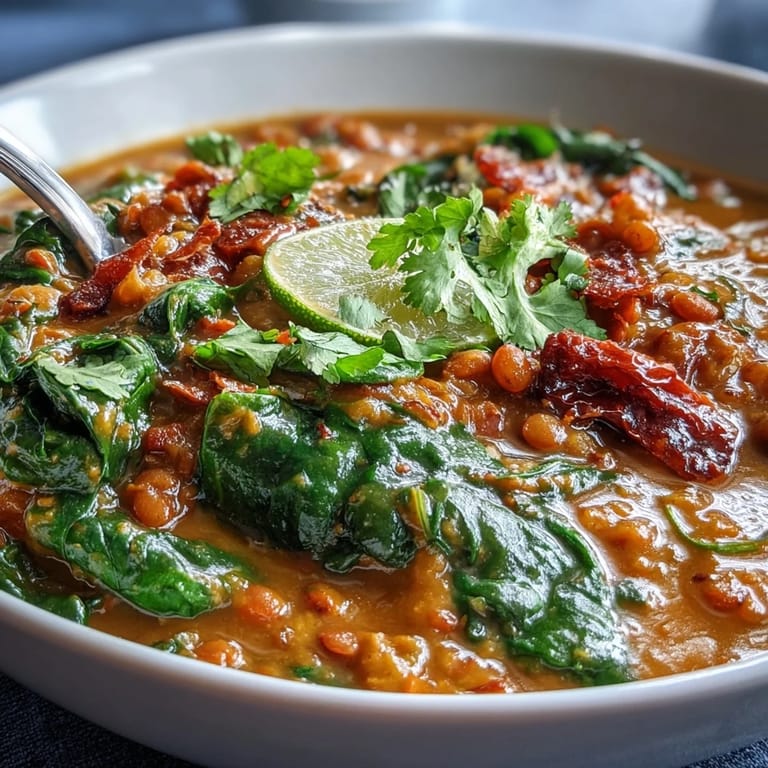
 This dahl has somehow become the meal I make when I want to feel nourished but not complicated, when I want to impress someone without stress, or when I'm cooking just for myself and want something that tastes like someone cared. That's really all you need to know.
Recipe Questions & Answers
- → Can I use other lentils instead of red lentils?
Yes, you can use green or brown lentils, but cooking times may vary and texture might be firmer.
- → How do I adjust the spice level?
Modify the amount of cayenne pepper or add chili powder to increase heat, or omit it for a milder dish.
- → What can I serve alongside this dish?
Serve with basmati rice, quinoa, or warm flatbreads to complement the creamy lentils.
- → Is it possible to make this in a slow cooker?
Yes, combine ingredients and cook on low for 4-6 hours, adding spinach near the end to preserve freshness.
- → How should leftovers be stored?
Store in an airtight container in the refrigerator for up to 3 days and reheat gently on the stovetop or microwave.